If you just searched "mortgage loans near me" — I get it. You want someone local. Someone who picks up the phone. Someone who knows the Texas market, understands your neighborhood, and can actually get your loan closed without disappearing into a call center black hole.
That's a smart instinct. And you're not alone — it's one of the most common searches homebuyers make before they talk to anyone.
But here's the thing: "near me" doesn't just mean geographically close. The best mortgage professional for your situation might be 10 miles away or 100 miles away. What matters is whether they're accessible, responsive, and working in your best interest.
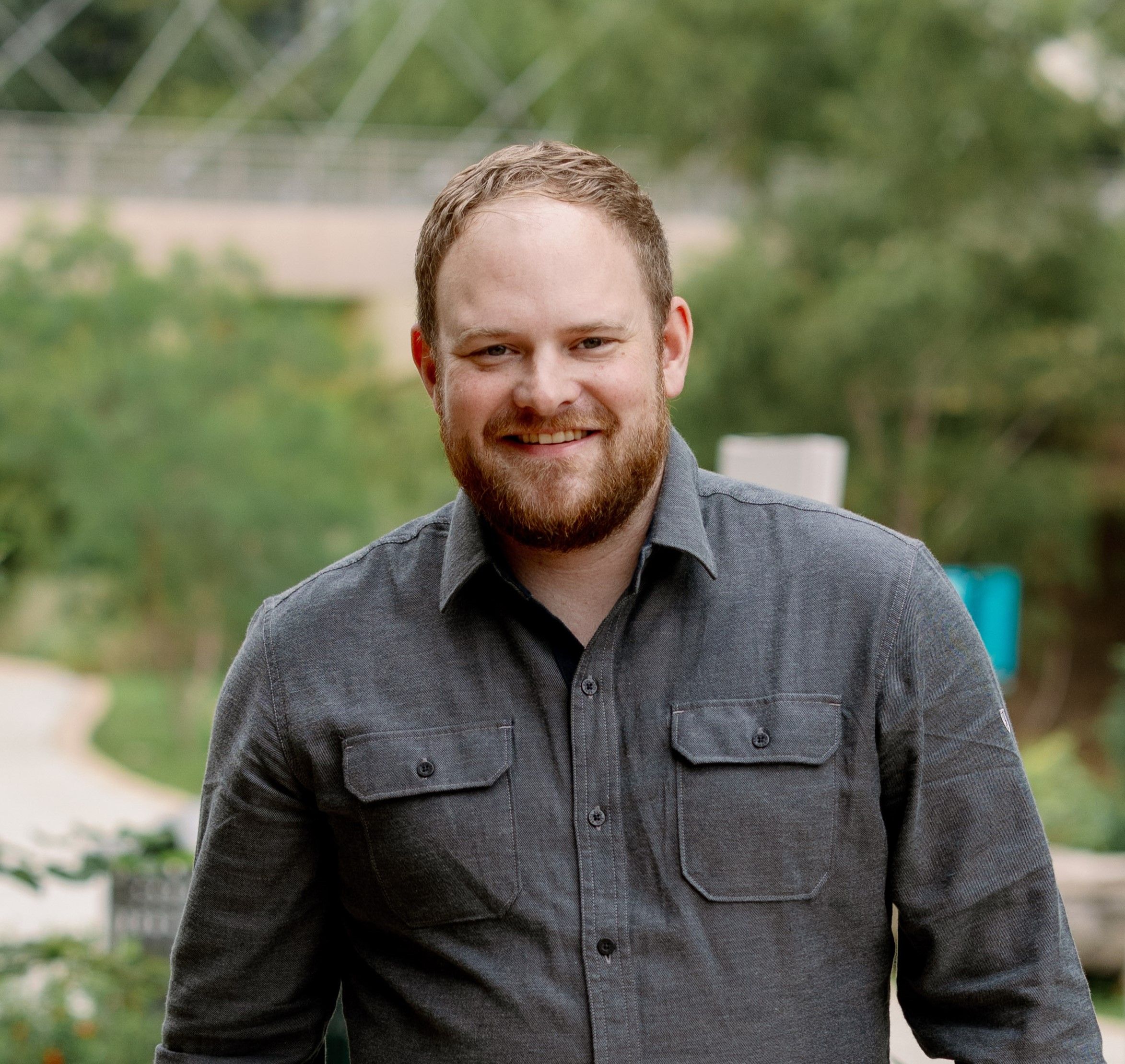
I'm Ben Eddy with Colt Lending, and I serve homebuyers across Texas — primarily in Fort Worth, Dallas, the DFW Metroplex, Leander, Georgetown, Austin, and Houston. I'm a mortgage broker, which means I don't work for a bank. I work for you. And I want to help you understand what to actually look for when you're searching for a mortgage professional in your area.
Why "Near Me" Matters (And Why It Doesn't)
Let's start with what local actually buys you.
Local market knowledge. A mortgage professional who works in your market understands the neighborhoods, the price points, the builders, and the real estate agents. When you're buying in Fort Worth vs. Leander vs. Houston, the dynamics are different — median prices, property tax rates, HOA structures, and even which loan programs work best in each area. Someone who lives and works in Texas gets this without having to look it up.
Accessibility. You want someone who answers your call, responds to your text, and doesn't route you to a 1-800 number. When you're two days from closing and a condition comes up, you need a human being — not a phone tree. That's a legitimate reason to work with someone local or at least someone who operates like they're local.
Relationships with local real estate agents. This matters more than most people realize. When your mortgage professional has a track record with the agents in your market, your offer carries more weight. Listing agents know which lenders close on time and which ones cause problems. A good local reputation gets you taken seriously.
What doesn't matter as much? Whether they have a physical office you can walk into. I'd say 95% of my business is done over the phone, Zoom, and secure digital applications. The mortgage industry has gone almost entirely digital, and the lenders who are best at their job are often the ones who invested in technology and systems rather than a fancy lobby.
The Three Types of Mortgage Professionals (Know What You're Choosing)
When you search "mortgage loans near me," you'll see three types of results. Understanding the difference is critical.
Retail loan officers at banks and credit unions. These are the Chase, Wells Fargo, Frost Bank, and local credit union employees you'll find on every corner. They can only offer their employer's products at their employer's rates. One rate sheet, one set of guidelines, take it or leave it. They might be perfectly competent, but they're structurally limited to one option.
Direct lenders and correspondent lenders. Companies like Fairway, Movement Mortgage, and PrimeLending fall here. They fund loans with their own money (or warehouse lines), which means they have more control over the process. But like banks, they're limited to their own products and their own overlays.
Mortgage brokers. This is what I am. A broker doesn't lend their own money. Instead, I have relationships with over 100 wholesale lenders and can shop your loan across all of them to find the best rate, the best program, and the lender whose guidelines fit your specific situation. Wholesale rates are often lower than retail rates because these lenders compete for broker business.
The difference matters most when your situation has any complexity at all — self-employment income, credit challenges, higher DTI ratios, unique property types, or anything outside the standard W-2-with-800-credit-and-20%-down scenario. That's when a broker's ability to shop multiple lenders becomes the difference between getting approved and getting denied.
What to Look For in a Mortgage Professional
Whether you go with a bank, a direct lender, or a broker, here's what should matter:
Do they explain things clearly? If your loan officer can't explain your rate, your closing costs, and your loan terms in plain English, that's a problem. You're making the biggest financial decision of your life — you deserve to understand every piece of it.
Do they answer the phone? This sounds basic, but it's the number one complaint I hear from buyers who've worked with other lenders. "My loan officer ghosted me." "I couldn't get anyone on the phone during underwriting." "I had to call three times to get an update." Responsiveness isn't a bonus feature. It's the baseline.
Do they shop your loan or just quote their own rates? Ask directly: "How many lenders can you offer me?" If the answer is one, you're getting one option. That's fine if you've already compared and their pricing wins. But most buyers don't compare — they just go with whoever answered first.
Do they know your local market? Ask them about the area you're buying in. Do they know the typical price ranges? The common HOA structures? The school districts that drive demand? A mortgage professional who understands your market can help you make better decisions, not just process paperwork.
Can they handle your specific situation? Not every loan officer is equipped for every borrower. If you're self-employed, a veteran, buying a fixer-upper, or dealing with credit challenges, make sure your mortgage professional has experience with your specific loan type.
What to Avoid When Searching for Mortgage Loans
Avoid anyone who pressures you to apply before you're ready. A good mortgage professional will have a conversation with you first — a pre-qualification call — to understand your situation before pushing you into an application. If someone wants your Social Security number in the first five minutes, that's a red flag.
Avoid anyone who can't clearly explain how they get paid. Mortgage professionals are compensated in different ways — lender-paid compensation, borrower-paid fees, or a combination. You have a right to know exactly how your loan officer makes money on your transaction. If they can't explain it in one sentence, find someone else.
Avoid choosing based on advertising alone. The lender with the biggest billboard or the most Google ads isn't necessarily the best fit for you. Marketing budgets and loan quality don't always correlate. Read reviews, ask for referrals, and have a real conversation before committing.
Avoid rate shopping without comparing total loan cost. A lender can quote you a low rate and make up the difference in fees, points, or higher closing costs. Always compare the Loan Estimate — the full picture — not just the rate. The rate is one piece. The total cost is what you're actually paying.
Mortgage Loans in Fort Worth, Dallas & DFW
The DFW Metroplex is one of the most active real estate markets in Texas. Median home prices in Fort Worth sit in the low-to-mid $300s, with significant variation between neighborhoods. Arlington, Keller, Southlake, and Weatherford all have different price dynamics.
For DFW buyers, the most common loan types I work with are conventional loans (for buyers with 620+ credit and 3-20% down), FHA loans (for buyers with lower scores or limited savings), and VA loans (DFW has a significant military and veteran population thanks to the Naval Air Station Joint Reserve Base and proximity to multiple military installations).
Jumbo loans also come into play for buyers looking in Southlake, Colleyville, Westlake, and the higher-end pockets of Fort Worth and Dallas where home prices exceed the conforming limit.
Mortgage Loans in Austin, Leander & Georgetown
The Austin metro — especially the Leander, Georgetown, Cedar Park, and Liberty Hill corridor — has been one of the fastest-growing areas in Texas. Prices have stabilized from the 2021-2022 peak, making it a more balanced market for buyers.
Many of the communities in the northern Austin suburbs still qualify for USDA financing due to their rural designation, though that window narrows as populations grow. For most buyers in this area, conventional, FHA, and VA loans are the primary options.
New construction is heavy in Leander and Georgetown, which means builders are often offering rate buydowns and incentives. Having a mortgage broker who can compare the builder's in-house financing against wholesale rates is valuable — the builder's deal isn't always the best deal.
Mortgage Loans in Houston
Houston's market is massive and varied — from the $200s in the suburbs to well above the conforming limit in Memorial, River Oaks, and The Woodlands. The diversity of the market means loan types span the full spectrum.
Houston is also home to a large veteran and military community, making VA loans a significant part of the market. And with Houston's sprawl, many suburban and exurban communities still qualify for USDA financing.
For Houston buyers, the most important factor is working with someone who can navigate the variety of loan programs available and match you with the right one for your specific situation and location.
Why I Built Colt Lending the Way I Did
I didn't start as a broker. I came from retail lending. I saw how the system worked from the inside — one rate sheet, limited access to underwriters, pricing exceptions that depended on branch P&L instead of what was best for the client.
I built Colt Lending around a different model. I wanted to be the mortgage professional who actually explains things, who answers the phone, and who tells you the truth even when it's not what you want to hear. I wanted access to every program and every lender so I could shop for my clients instead of selling them whatever was on my shelf.
That's what Colt Lending is. A coaching-first, transparency-first mortgage brokerage powered by Edge Home Finance, with access to over 100 wholesale lenders across every major loan program — conventional, FHA, VA, and jumbo.
Whether you're in Fort Worth, DFW, Austin, Leander, Georgetown, Houston, or anywhere in Texas, Oklahoma, or Tennessee — I can help. And it starts with a conversation, not an application.
Searching for mortgage loans near you? I'm Ben Eddy with Colt Lending — a Texas mortgage broker who shops over 100 lenders to find you the best rate and the right program. I serve Fort Worth, DFW, Austin, Leander, Georgetown, Houston, and all of Texas. Schedule a call and let's talk through your options, or apply online when you're ready.